

How the department finds a mismatch
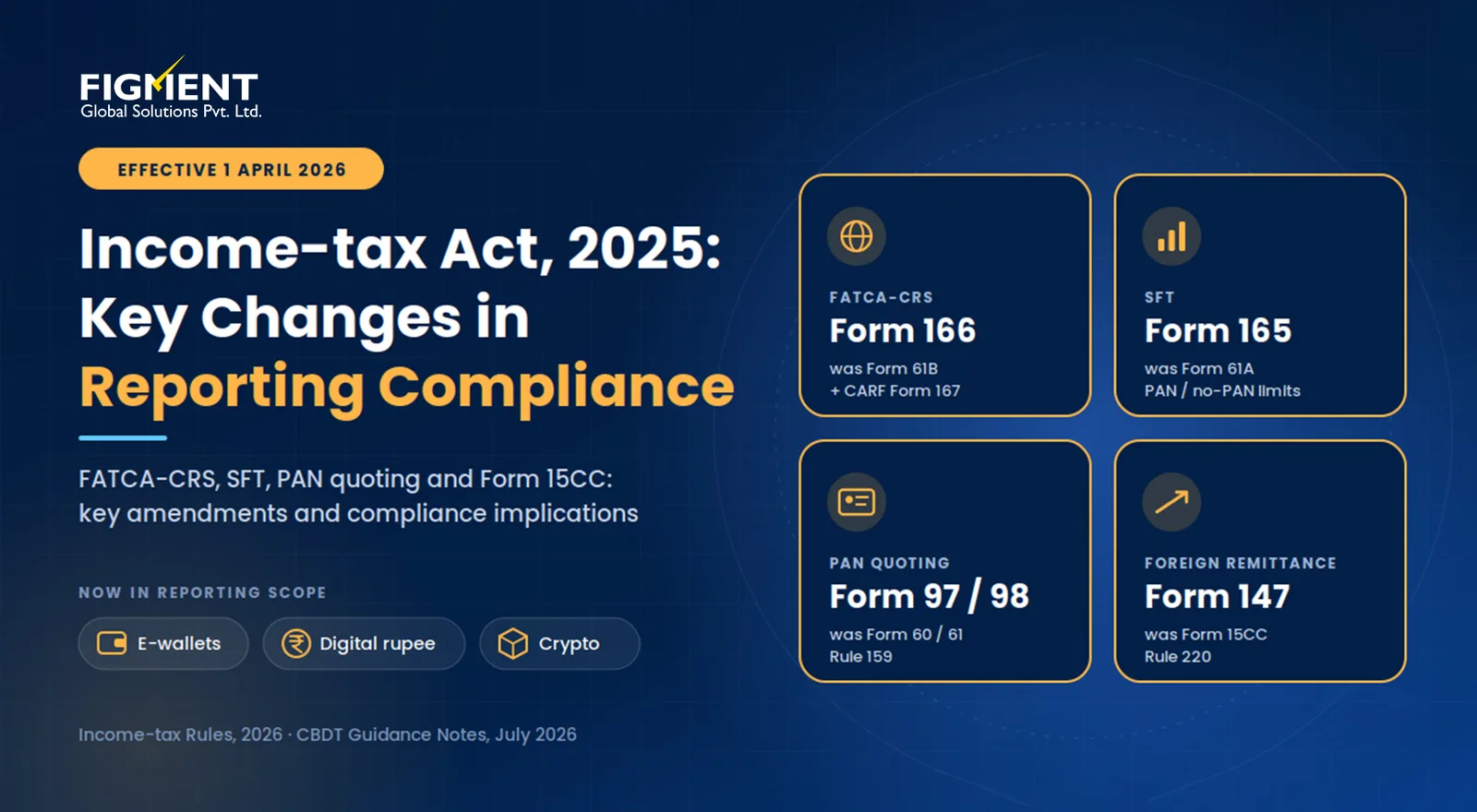
Form 168: TDS and TCS deducted against your PAN, advance tax and self-assessment tax paid. Annual Information Statement (AIS): a wider statement that adds interest, dividends, securities and mutual fund transactions, property purchases, foreign remittances and other high-value transactions reported by third parties. Statements of Financial Transactions (SFT): reports that banks, registrars, mutual funds and others file for transactions above set thresholds.
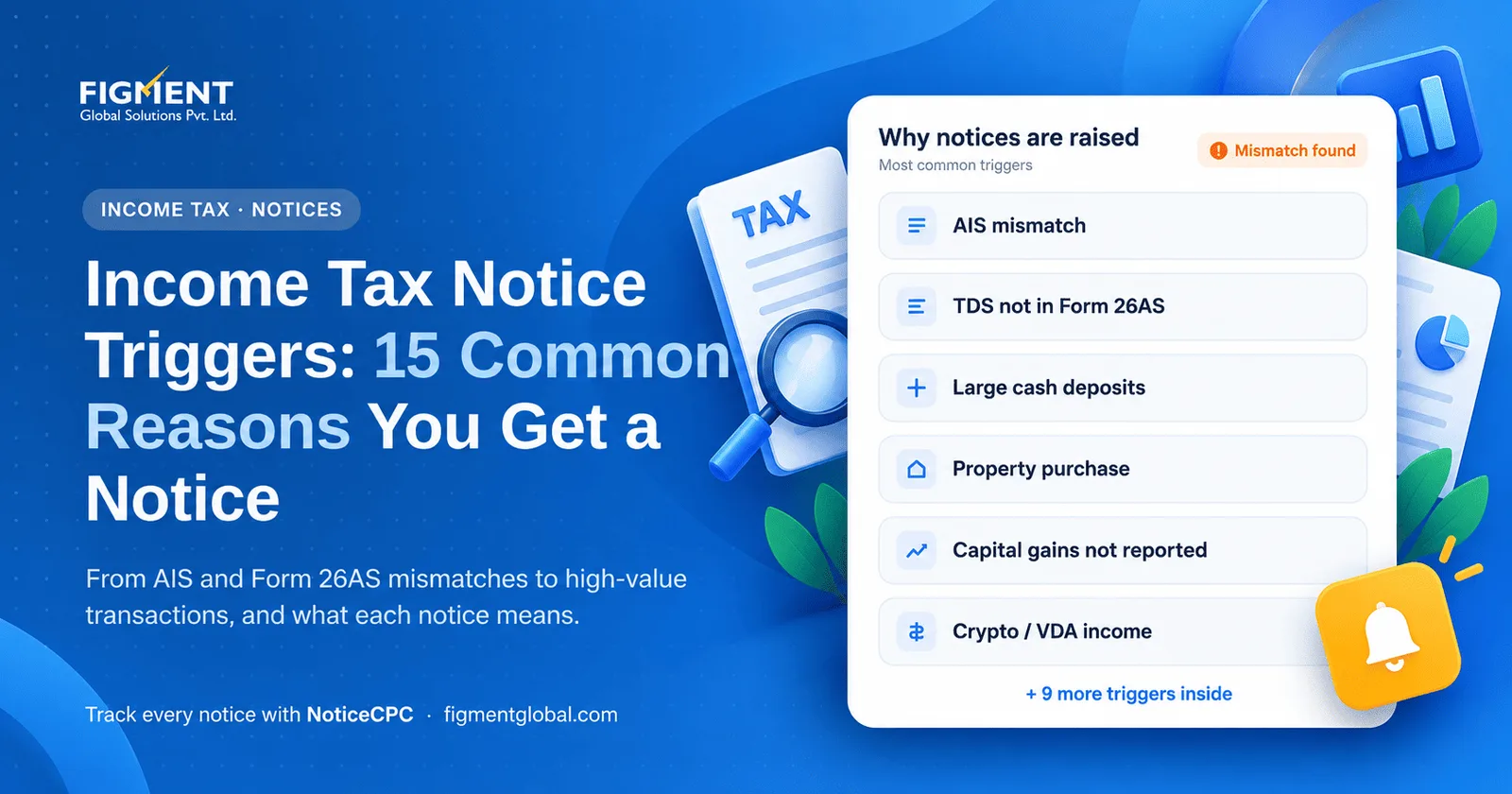
15 common income tax notice triggers
| # | Trigger | What the department sees | Notice it usually leads to |
|---|---|---|---|
| 1 | Income in AIS not shown in the return | Interest, dividend or capital gains reported by a third party but missing in the ITR | Intimation with adjustment, or a compliance e-campaign |
| 2 | TDS claimed that is not in Form 168 | Credit claimed but the deductor has not reported it | Intimation with credit disallowed and a demand |
| 3 | Large cash deposits in savings accounts | Cash deposits of ₹10 lakh or more in a year, reported through SFT | Enquiry or verification notice |
| 4 | High credit card spending | Card bill payments of ₹1 lakh or more in cash, or ₹10 lakh or more by other modes, in a year, reported through SFT | Enquiry if spending does not match income |
| 5 | Property purchase or sale | Registrar reports a transaction of ₹45 lakh or more (earlier ₹30 lakh or more) | Enquiry, especially if the sale's capital gain is not shown |
| 6 | Large investments in shares, mutual funds or bonds | Share or bond purchases of ₹10 lakh or more in a year, reported through SFT | Enquiry if the source of funds is unclear |
| 7 | Capital gains not reported | Sale of shares, mutual funds or property in AIS | Intimation or mismatch notice |
| 8 | Not filing a return when required | TDS or high-value transactions exist for the PAN, but no return filed | Non-filing notice |
| 9 | Defective return | Missing schedules, wrong ITR form, or tax paid but not reported | Defective return notice (Section 263(7), Income-tax Act, 2025; earlier Section 139(9)) |
| 10 | Deductions that look inflated | Large deductions under Sections 123, 126 or 133 (earlier 80C, 80D, 80G), or HRA exemption claims, without matching data | Verification or scrutiny |
| 11 | Mismatch between GST turnover and ITR | Turnover in GST returns higher than in the ITR | Enquiry or scrutiny |
| 12 | Foreign assets or income not disclosed | Foreign remittances, accounts or assets reported but Schedule FA empty | Enquiry under black money provisions |
| 13 | Crypto or other virtual digital asset income | Exchange reports or 1% TDS on VDA transfers | Mismatch notice |
| 14 | Large refund claims | Refund out of line with past years or TDS pattern | Verification before refund |
| 15 | Selection for scrutiny | Case picked by risk parameters or computer-aided selection | Scrutiny notice (Section 270(8); earlier 143(2)) |
What each type of notice means
Intimation after processing (Section 270(1); earlier 143(1)): your return has been processed. It may show no change, a refund, or a demand because of an adjustment. Defective return notice (Section 263(7); earlier 139(9)): the return has an error that makes it invalid until corrected, usually within 15 days. Notice for information (Section 268(1); earlier 142(1)): the assessing officer wants documents or a return. Scrutiny notice (Section 270(8); earlier 143(2)): the return has been picked for detailed assessment. Income escaping assessment (Sections 281 and 280; earlier 148A and 148): the department believes income for an earlier year was not assessed. Refund adjustment (Section 438; earlier 245): the department intends to adjust your refund against an outstanding demand.
What to do when you receive a notice
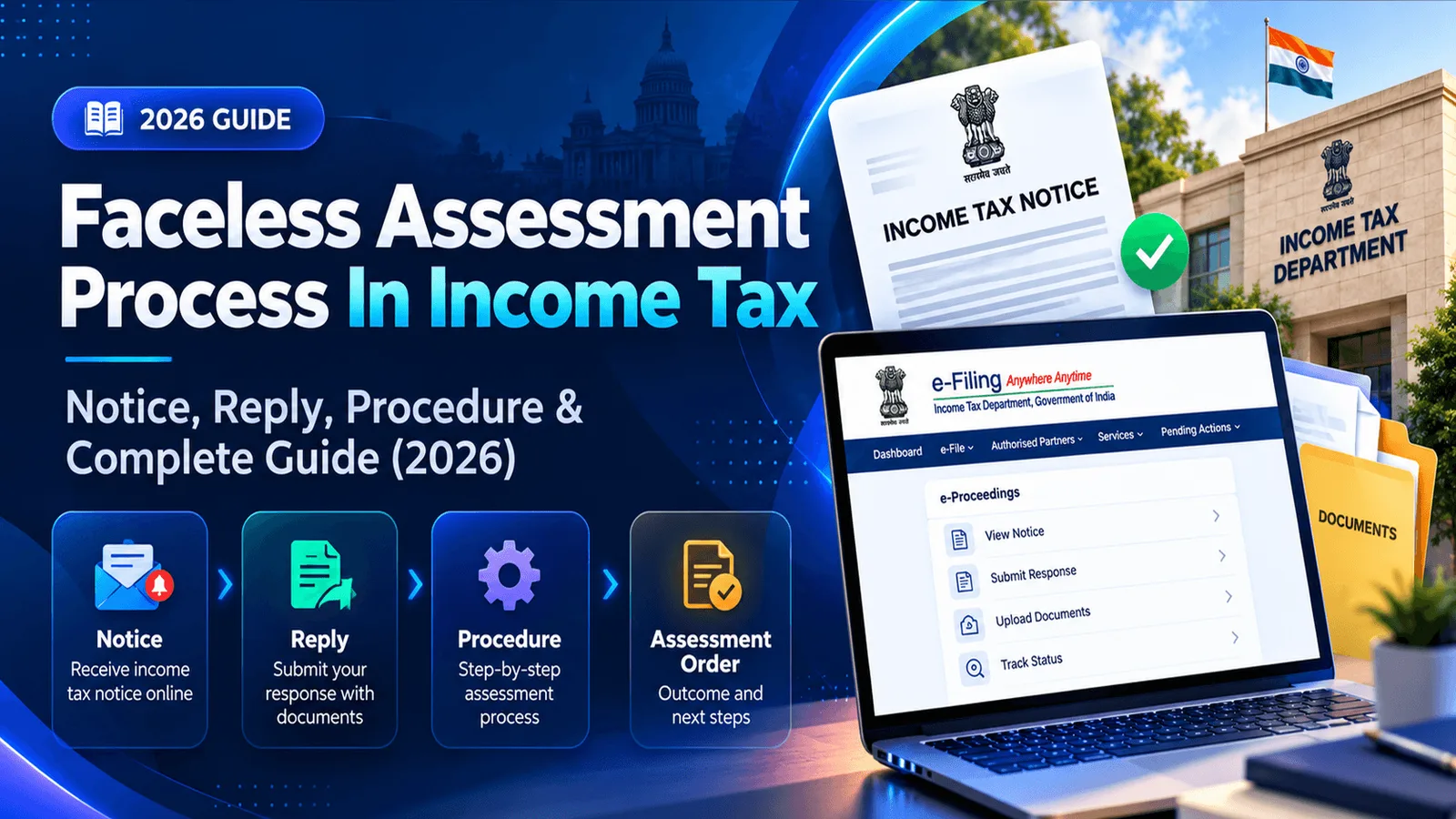
Check that it is genuine. Every notice carries a Document Identification Number (DIN). Use the "Authenticate notice/order issued by ITD" service on the e-filing portal. Note the response due date. It is printed in the notice. Missing it can lead to an order passed without your reply. Compare with AIS and Form 168. Most mismatches become clear once you see what was reported. Respond on the portal. Replies are filed under Pending Actions → e-Proceedings, or through the response option for outstanding demands. Keep a record. Save the notice, your reply, acknowledgement and supporting documents.
How to avoid the most common triggers
Download AIS and Form 168 before filing, not after. Report all interest, dividends and capital gains, even small amounts. Follow up with deductors whose TDS is missing from Form 168 before you claim it. Keep proof for every deduction. Reconcile GST turnover with the ITR if you are a business.
When you handle notices for many PANs
Frequently Asked Questions
A mismatch between the return and third-party data in AIS or Form 168(earlier Form 26AS), such as unreported interest, capital gains or TDS claimed that the deductor never reported.
No, but deposits above the reporting threshold are reported to the department. If they do not match your declared income, you may be asked to explain the source.
No. An intimation after processing may show no change or a refund. Other notices ask for information or documents.
Check its Document Identification Number (DIN) with the "Authenticate notice/order issued by ITD" service on the e-filing portal.